




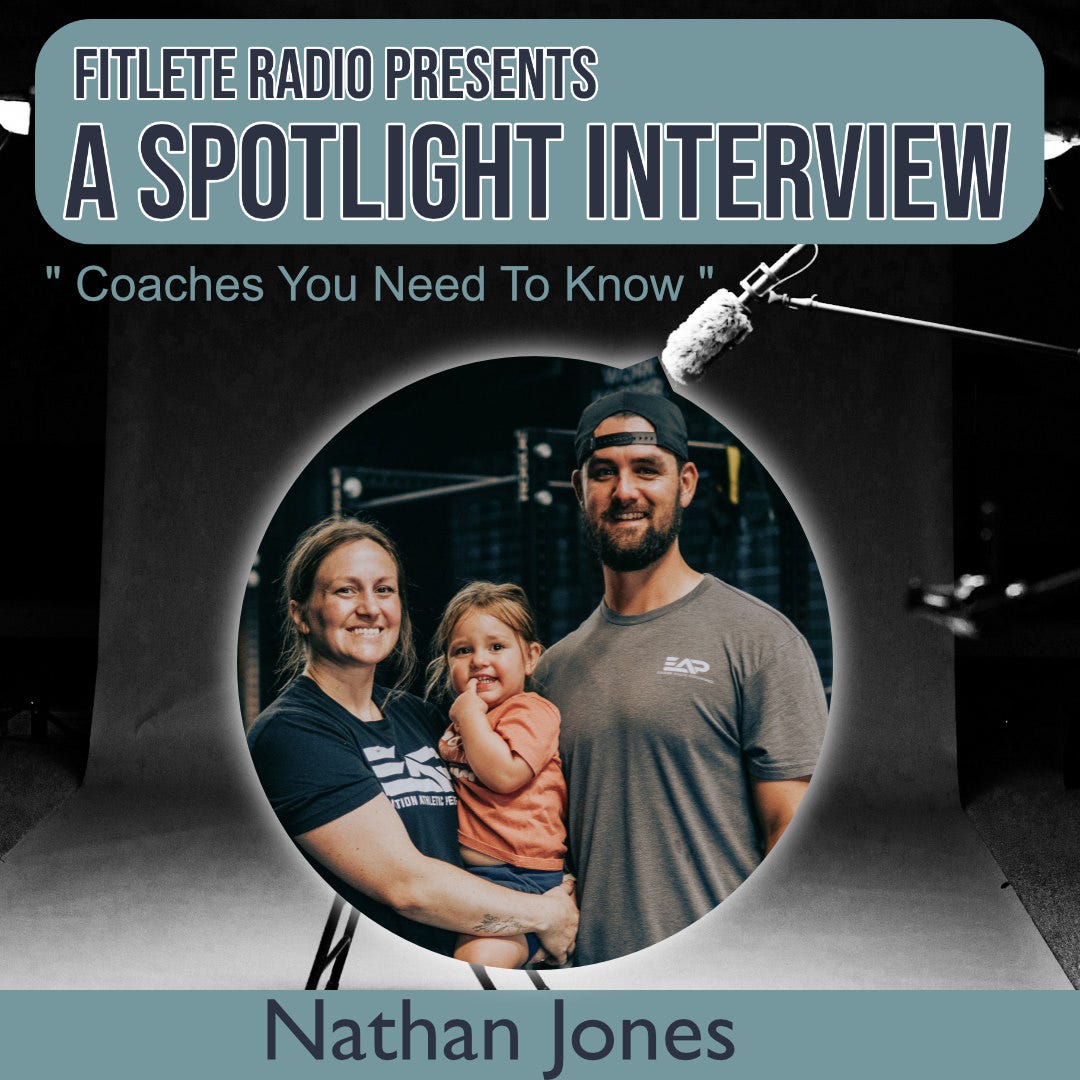
Nathan Jones is a servant-hearted strength and conditioning coach and co-owner of Elevation Athletic Performance in Cassville, Missouri, where he and his wife help athletes of all ages build strength, confidence, and better lives through training.
Who is Nathan Jones?
Nathan Jones is the co-owner of Elevation Athletic Performance, a semi-private strength and conditioning facility in Cassville, Missouri, where he trains athletes and adults alongside his wife, Johnica. They started Elevation in their garage and have grown it into a 4,800-square-foot facility focused on group strength and conditioning for athletes, one-on-one coaching both in person and online, and sport skill development with an emphasis on baseball. Elevation’s ethos is to “meet you where you are” and help you reach your training goals, with a strong culture of accountability and buy-in rather than quick fixes.
Nathan’s background includes heavy influence from Westside-style powerlifting methods early in his career, which shaped his focus on strength numbers and high-intensity environments. Over time, he’s shifted toward a blended systems approach and now prioritizes getting to know each athlete and tailoring methods to the individual rather than forcing everyone through the same template.
Coaching philosophy and evolution
Early on, Nathan believed that to be effective he had to be “kind of hard and kind of a jerk,” standing over clients, yelling, and being harsh about attendance, effort, and discipline. He admits that insecurity played a role in that style, and that he projected that onto others while assuming there was only one “right” way to coach. As he got more experience, he realized there are multiple legitimate systems and approaches, and that you can combine elements to create what each person actually needs instead of being tethered to one dogma.
Handling “I’m not ready for coaching”
Nathan believes almost no one truly feels “ready” for coaching; most people just aren’t sure what they’re getting into or have had mixed experiences in the past. His strategy is to show, not just tell, by quickly identifying something tangible he can improve—like adding 5–10 pounds to a stalled bench press in the first few weeks or helping someone fix nutrition or sleep so they feel and perform better.
With youth athletes, he leans heavily on simple, early wins like vertical jump PRs or easy strength PRs, which are often low-hanging fruit if they’ve never trained in a structured environment. The goal is to demonstrate that what he’s doing is “a step above” what they’ve been doing on their own or with generic school programs, building belief that coaching can take them further than they imagined.
Dealing with client resistance and buy-in
When clients resist his advice, Nathan starts by listening and trying to make them feel like they own the idea rather than having something forced on them. He jokes that sometimes you “get them to do what you want, but make them feel like it’s their idea,” which can lower defenses and increase compliance while still steering them toward the right behaviors.
Balancing big goals with real life
He frames training as a force multiplier for everything else: if you’re in better shape, your nervous system, endurance, stress tolerance, and overall capacity to handle life all improve. That makes you better at home, at work, and in any ambitious pursuit, whether that’s climbing the corporate ladder or hitting the next level in sport. He emphasizes communication during “big life things,” staying flexible while reminding clients that training will enhance their ability to meet those goals, not compete with them.
Advice for aspiring and stalled coaches
Nathan is blunt about coaching: it’s a passion and a lifestyle, not just a job, and if you’re miserable or completely stalled, you may need to ask whether it’s truly for you. Coaching requires enjoying other people’s success as much as—or more than—your own, sacrificing personal time, and embracing the emotional load of being part of people’s lives, good and bad.
He stresses having a servant mindset: if you don’t wake up excited to help people, or you’ve lost that spark, something has to change. Sometimes that means renewing your focus by doing simple, unglamorous things like picking up weights, logging training results, and checking on people daily until that service muscle is rebuilt. If you can’t find that servant heart again, he believes it might be time to move on to another career rather than going through the motions.
Some great quotes from Nathan.
“Always have the mindset of wanting to be a servant first… If you don't have a servant heart and you're not really in there to help people, then I would say get out.”
“Just because you provide a service doesn't mean that it has to be you take everybody and anybody that wants to come walk through your door. It has to be a fit.”
“You just have to find something that maybe that they’re struggling with that you know will help improve their performance and show them that you can help increase their performance or their output or make them even feel better or maybe just make them feel comfortable when they come to you.”
Connect with Nathan & Elevation Athletic Performance
You can learn more about Nathan and Elevation Athletic Performance, see how they train their athletes, and get a feel for their culture through their website and social channels.
Elevation Athletic Performance website: https://elevationap.com
Instagram: @elevationap – Nathan and Johnica share training clips, athlete highlights, and behind-the-scenes looks at their semi-private environment.


